
 EN
EN
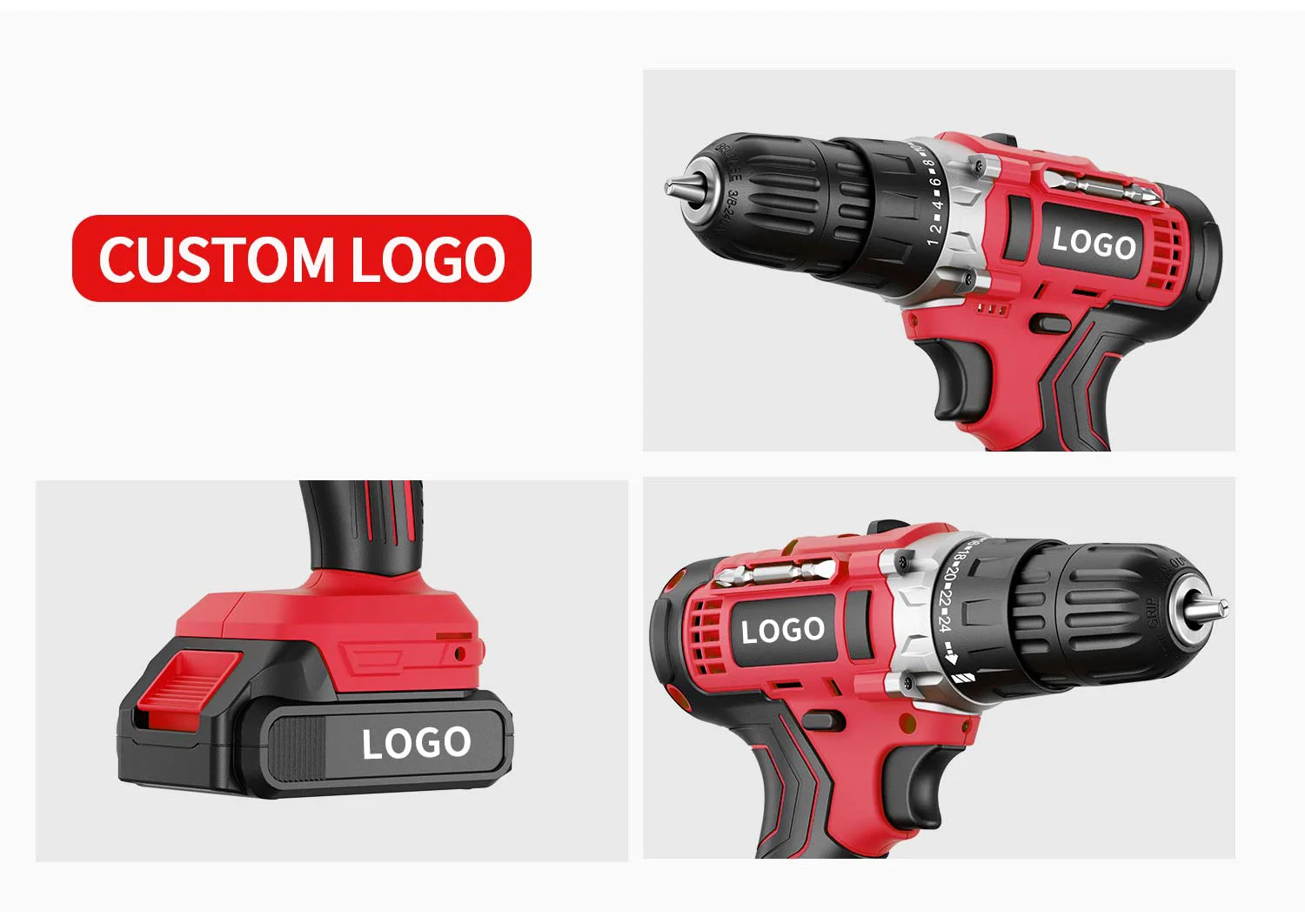
Understanding the torque settings of cordless drills is essential for effectively managing various workloads. For B2B buyers, whether purchasing for commercial or industrial use, knowing how these settings influence performance is crucial. This article will delve into how cordless drill torque settings fit different workloads, addressing common buyer concerns such as application suitability, product specifications, and operational efficiency.
Understanding Cordless Drill Torque Settings for Various Applications
Cordless drills come with adjustable torque settings that allow users to control the amount of force applied to a fastener. This feature is critical for adapting to different materials and workloads, from driving screws in softwood to drilling into metal. For manufacturers and purchasing managers, understanding the torque range of a cordless drill can significantly impact their choice of tool for specific applications.
For example, a drill with a lower torque setting is ideal for delicate tasks where over-tightening could damage the material. Conversely, higher torque settings are necessary for harder materials or larger fasteners. Familiarizing oneself with the torque requirements of different applications ensures optimal performance and prevents common issues like stripping screws or over-driving.
Torque Settings Explained
Torque settings on a cordless power drills are measured in inch-pounds (in-lbs) or Newton-meters (Nm). A key factor to consider is how torque affects the drill's performance across various tasks. The torque setting essentially determines the maximum force that the drill can apply to a screw or bit.
Most cordless drills feature a clutch mechanism that disengages when the set torque level is reached, preventing damage to the workpiece or the fastener. Buyers should look for drills that offer a wide range of torque settings, typically ranging from 15 to 30 torque levels, to accommodate diverse tasks.
It's also essential to consider the type of materials being worked with. For instance, soft materials may require lower torque settings, while dense materials like hardwood or metal require higher settings. Understanding these specifications allows buyers to select the right tool for their specific needs.
Common Problems with Torque Settings in Cordless Drills and Solutions
Despite their versatility, users may encounter problems related to torque settings. One common issue is the inability to adjust the torque accurately, leading to over-tightening or under-tightening. This can result in damaged materials or compromised assembly integrity.
To mitigate these issues, buyers should ensure they are selecting drills with reliable torque adjustment mechanisms. Additionally, it's advisable to conduct a test on scrap material to determine the appropriate torque setting for a specific task before starting on the actual workpiece.
Another issue can arise from inadequate battery performance. If the battery does not provide sufficient power, it may affect the drill’s ability to reach the desired torque settings. Therefore, investing in high-quality lithium batteries, such as those produced by Panan Feihu Plastic Co., Ltd., can enhance performance and reliability.
A Buyer’s Guide
When considering the purchase of cordless drill set with torque settings, buyers should evaluate several key factors:
Torque Range: Ensure the drill covers the required torque range for your applications.
Clutch Mechanism: Look for drills with a reliable clutch mechanism for accurate torque control.
Battery Capacity: Consider the drill's battery type and capacity, as this impacts the tool's overall performance.
Weight and Ergonomics: A lightweight drill with ergonomic design can enhance user comfort and reduce fatigue during prolonged use.
Brand Reputation: Choose well-established manufacturers known for quality and reliability, such as Panan Feihu Plastic Co., Ltd., which has over 20 years of experience in producing high-quality tools.
Customization Options: If specific torque settings or features are needed, check if the manufacturer can provide customization options.
Warranty and Support: Look for manufacturers that offer solid warranties and customer support to address any post-purchase issues.
By considering these factors, buyers can make informed decisions that align with their operational needs and project requirements.
Bulk Order Considerations for Cordless Drill Tools and Torque Settings
When planning to purchase cordless drill machine in bulk, several considerations come into play that can affect the overall cost and efficiency of the order.
Minimum Order Quantity (MOQ): Understand the manufacturer’s MOQ for bulk orders, as this can vary significantly between suppliers. Panan Feihu Plastic Co., Ltd. offers flexibility in order sizes, accommodating both small businesses and larger enterprises.
Lead Time: Assess the lead time for production and delivery. This is crucial for project planning and should be discussed upfront with the supplier.
Customization Needs: If specific torque requirements or additional features are needed, clarify these with potential suppliers. Customization may affect lead times and pricing, so it's essential to understand these implications early in the negotiation process.
Quality Assurance: Ensure there is a quality control process in place. Request information on the manufacturer's quality assurance measures to guarantee that the products meet the necessary standards.
Shipping Arrangements: Consider the logistics of shipping, especially if ordering from overseas. Discuss shipping methods and costs with the supplier to avoid unexpected expenses.
Payment Terms: Finally, negotiate payment terms that suit your budget and cash flow. Understanding the payment structure can help in making a more strategic purchasing decision.
By keeping these considerations in mind, buyers can ensure a smooth procurement process and secure high-quality cordless drills that meet their workload requirements.