
 EN
EN
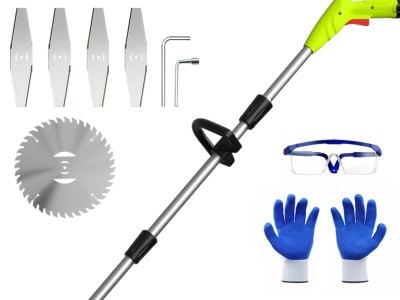
Battery-powered string trimmers have become a preferred choice for many landscaping professionals and homeowners alike, thanks to their efficiency and eco-friendliness. Understanding the technical advantages of a battery-powered cordless string trimmer is crucial for B2B buyers, such as purchasing managers, distributors, and engineers, who need to assess performance, durability, and overall value. This article will provide insights into the specifications, selection criteria, benefits of lithium batteries, common issues, and essential factors to consider when evaluating manufacturers.
Understanding Specifications for Battery Powered String Trimmers
When assessing battery-powered string trimmers, several specifications warrant attention: battery voltage, cutting width, weight, and materials used in construction.
Battery Voltage: The voltage of the battery impacts the power output. A higher voltage typically means more power, which can translate to better performance in cutting through dense grass or weeds. For instance, battery powered string trimmer with 40V or higher batteries are often more suitable for commercial applications.
Cutting Width: This refers to the width of the area the trimmer can cut in a single pass. A wider cutting width can reduce the time needed to complete a job, making it an essential consideration for large properties or commercial landscaping tasks.
Weight: The weight of the trimmer affects both usability and fatigue during extended use. Lighter models are easier to maneuver but may sacrifice power or battery life. Evaluating weight against performance needs is crucial.
Materials: The durability of components, including the trimmer head and shaft, is essential for long-term use. Consider models that utilize high-quality plastics or metals, which can withstand the rigors of daily operation.
Understanding these specifications will enable buyers to make informed decisions tailored to their specific applications and operational demands.
How to Choose the Right Battery Trimmer for Your Projects?
Selecting the right battery trimmer involves considering several critical factors, including intended use, runtime, and additional features.
Intended Use: Evaluate whether the trimmer will be used for residential tasks, such as maintaining a small garden, or commercial projects requiring heavy-duty performance. For commercial use, opt for models with longer runtimes and higher power outputs.
Runtime: Examine the battery capacity, measured in amp-hours (Ah). A higher Ah rating generally means longer operational time before recharging. For larger projects, consider purchasing additional batteries or models with rapid charging capabilities.
Features: Look for features that enhance usability and efficiency, such as adjustable speed settings, ergonomic handles, and automatic line feeding systems. These can significantly improve user experience and productivity.
Brand Reputation and Support: Research manufacturer support, warranty terms, and service options. Companies with a solid reputation often provide better reliability and customer service, which can be crucial during maintenance or repairs.
By aligning these factors with project requirements, buyers can effectively narrow down options and select the most suitable battery operated grass trimmer.
Key Advantages of Lithium Batteries in String Trimmer Performance
Lithium batteries offer several advantages over traditional lead-acid batteries, making them the preferred choice for battery-powered string trimmers:
Weight and Portability: Lithium batteries are significantly lighter than lead-acid counterparts, which contributes to a more manageable tool. This is particularly important for users operating the trimmer for extended periods.
Longer Lifespan: Lithium batteries generally have a longer lifecycle, providing more charge cycles and lasting longer before needing replacement. This not only reduces long-term costs but also minimizes downtime.
Faster Charging: Compared to traditional batteries, lithium batteries have significantly shorter charging times. This means users can quickly return to work, enhancing productivity, particularly in commercial environments.
Consistent Power Output: Lithium batteries maintain their power output throughout the discharge cycle, unlike lead-acid batteries which experience voltage drops as they deplete. This ensures consistent performance, crucial for achieving clean cuts.
Environmental Benefits: Lithium batteries are more environmentally friendly, as they contain fewer toxic materials and are recyclable. Businesses focused on sustainability will find this particularly appealing.
Understanding these advantages can guide B2B buyers to make informed decisions that align with their operational efficiency and environmental goals.
Common Problems with Battery Trimmers and Effective Solutions
While battery-powered trimmers offer numerous benefits, they are not without challenges. Here are some common problems and their solutions:
Battery Drain: Users may experience rapid battery drain, especially when using high power settings. To mitigate this, buyers should consider models with higher battery capacities or invest in additional batteries. Proper maintenance, such as keeping batteries clean and well-maintained, can also extend their lifespan.
Line Breakage: Frequent line breakage can occur if the trimmer is not used correctly or if the line is of inferior quality. Buyers should ensure that they use the correct line type for their specific model and consider purchasing higher-quality replacement lines designed for durability.
Overheating: Trimmers can overheat during prolonged use, which may lead to performance issues. It's advisable to allow the trimmer to rest periodically, especially during extensive cutting tasks, to prevent overheating.
Inconsistent Cutting: If the trimmer is not cutting evenly, check the alignment of the cutting head and ensure the line length is appropriate. Regular maintenance and following the manufacturer's guidelines can help maintain optimal performance.
By being aware of these common issues and their solutions, buyers can better prepare for operational challenges and enhance the longevity of their equipment.
What to Look for in Battery Trimmer Manufacturers?
Choosing a reliable manufacturer is critical for ensuring the quality and performance of battery-powered string trimmers. Here are key factors to consider:
Experience and Expertise: Look for manufacturers with a solid track record in producing battery-powered tools. Companies like Panan Feihu Plastic Co., Ltd., with over 20 years of experience, often demonstrate strong expertise in quality control and innovation.
Quality Control Processes: Ensure that the manufacturer has stringent quality control measures in place. This includes checks during production and final inspections to verify that products meet specified standards.
Customization Capabilities: Depending on specific project needs, the ability to customize features or specifications can be beneficial. Assess whether the manufacturer can accommodate unique requirements.
Certifications: While specific certifications were not provided in the company background, reputable manufacturers typically hold relevant industry certifications that guarantee compliance with safety and performance standards.
After-Sales Support: Evaluate the level of customer service and support offered by the manufacturer. Reliable after-sales support can be invaluable for maintenance, repairs, or addressing product issues.
Export Markets: If your business operates internationally, check if the manufacturer has experience in exporting products to your target markets. This can facilitate smoother transactions and adherence to local regulations.
By carefully evaluating these factors, buyers can select a manufacturer that aligns with their quality expectations and operational requirements.
Table of Contents
- Understanding Specifications for Battery Powered String Trimmers
- How to Choose the Right Battery Trimmer for Your Projects?
- Key Advantages of Lithium Batteries in String Trimmer Performance
- Common Problems with Battery Trimmers and Effective Solutions
- What to Look for in Battery Trimmer Manufacturers?