
 EN
EN
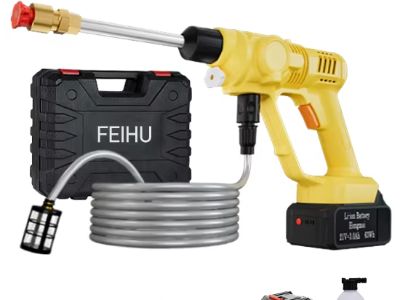
Choosing the right pressure washer pump configuration is crucial for achieving optimal performance in professional cleaning applications. Understanding the various configurations can help purchasing managers, engineers, and distributors make informed decisions that align with their operational needs. This article will address key considerations when selecting pump configurations, compare specifications, evaluate quality for bulk orders, highlight common issues, and discuss material advantages. By the end, readers will gain valuable insights to support their purchasing decisions.
What to Consider When Choosing Pressure Washer Pump Configurations?
When selecting pressure washer pump configurations, several factors must be considered to ensure compatibility with the intended cleaning tasks. Key considerations include:
Type of Cleaning Application: Different applications might require varying pressure levels and flow rates. For example, commercial-grade cleaning often demands higher pressure pumps to remove tough stains effectively, while residential use might suffice with lower pressure options.
Pressure Rating: The pressure rating, typically expressed in pounds per square inch (PSI), determines how effectively the pump can expel water. Higher PSI levels are essential for heavy-duty tasks such as removing grease or grime.
Flow Rate: Measured in gallons per minute (GPM), the flow rate indicates how much water the pump can deliver. A higher flow rate can improve cleaning efficiency, especially in larger areas.
Pump Design: Different designs, such as axial or triplex pumps, offer varied performance characteristics. Axial pumps are generally more compact and less expensive, while triplex pumps are more durable and suitable for commercial applications.
Power Source: Consideration of the power source electric vs. gas can influence operational costs and mobility. Electric models are quieter and require less maintenance, while gas models often provide higher pressure and mobility.
By aligning these considerations with the specific cleaning tasks, buyers can choose the most effective pressure washer retractable high pressure hose reel configuration.
Comparing Pressure Washer Pump Specifications for Professional Use
Understanding the technical specifications of pressure washer pumps is essential for making informed purchasing decisions. Key specifications include:
PSI and GPM: A combination of high PSI and adequate GPM is crucial for effective cleaning. For instance, a pump with 3000 PSI and 2.5 GPM is suitable for most commercial applications.
Motor Power: Typically measured in horsepower (HP), motor power can affect the pump's efficiency and longevity. A higher HP usually translates to better performance, especially under continuous use.
Material Construction: Pumps made from durable materials such as brass or stainless steel offer better longevity and resistance to corrosion compared to plastic components. This can be a deciding factor for buyers looking for long-term investment.
Weight and Size: The dimensions and weight of the pump can impact its portability and ease of use. Compact designs might be preferable for mobile cleaning services.
Warranty and Maintenance: A comprehensive warranty can provide peace of mind, indicating the manufacturer's confidence in the product's durability. Understanding maintenance requirements is also critical to ensuring long-term performance.
Buyers should carefully compare these specifications to select a heavy duty retractable water hose reel configuration that meets their specific cleaning needs while ensuring reliability and efficiency.
How to Evaluate the Quality of Pressure Washer Pumps for Bulk Orders?
When purchasing pressure washer pumps in bulk, quality assurance becomes paramount. Here are several key factors to evaluate:
Manufacturer Reputation: Researching the manufacturer's track record can provide insights into their product quality and reliability. Look for manufacturers with a history of positive reviews and successful projects.
Certifications: Check for industry certifications that validate the manufacturer's adherence to quality standards. Certifications can serve as assurance of the pump's performance and safety.
Material Quality: Inspect the materials used in construction, focusing on corrosion resistance and durability. High-quality materials will contribute to the longevity and reliability of the pumps.
Sample Approval: Before committing to a bulk order, request samples for testing. Evaluating the pump's performance under actual operating conditions will help identify any potential issues.
Quality Control Processes: Inquire about the manufacturer’s quality control measures during production. Robust quality assurance processes ensure consistency and reliability across all units produced.
By conducting thorough evaluations based on these criteria, buyers can mitigate risks associated with bulk orders and ensure they receive high-quality products.
Common Problems with Pressure Washer Pumps and Their Solutions
Pressure washer pumps can encounter various issues that affect performance. Understanding these problems and their solutions can help buyers manage maintenance effectively:
Loss of Pressure: This can result from clogged filters or nozzles. Regular cleaning and maintenance can prevent this issue. Replacing worn-out seals can also restore pressure.
Overheating: Overheating may occur due to inadequate water supply or prolonged use. Ensuring sufficient water flow and allowing the pump to cool down during extended operations can help.
Leaking: Leaks often stem from damaged O-rings or seals. Regular inspections and timely replacements of these components can prevent water loss and maintain efficiency.
Strange Noises: Unusual sounds may indicate internal damage or foreign objects within the pump. Immediate inspection is advised to prevent further damage.
By being aware of these common problems and their solutions, buyers can effectively maintain their pressure washer retractable hose reel and prolong their lifespan.
Understanding Material Advantages for Durable Pump Configurations
The choice of materials used in pressure washer pumps significantly impacts their durability and performance. Key materials include:
Aluminum: Lightweight and resistant to corrosion, aluminum is often used in lower-end pumps. While it offers good performance, it may not withstand heavy-duty applications as well as other materials.
Brass: Known for its durability and resistance to rust and corrosion, brass is commonly used in high-quality pumps. It provides excellent sealing and longevity.
Stainless Steel: This material offers superior resistance to corrosion and wear, making it ideal for pumps subjected to harsh environments. Stainless steel components can withstand high pressures and are less likely to fail under continuous use.
Plastic: While lightweight and cost-effective, plastic components may not provide the same durability as metal options. They are typically found in lower-end models or for specific applications.
By understanding the advantages of these materials, buyers can select pump configurations that align with their performance requirements and operational environments, ensuring they invest in durable solutions. In summary, selecting the appropriate pressure washer pump configuration involves careful consideration of various factors, including application requirements, specifications, quality evaluation, common issues, and material advantages. With a clear understanding of these elements, B2B buyers can make informed decisions that enhance their cleaning operations.
Table of Contents
- What to Consider When Choosing Pressure Washer Pump Configurations?
- Comparing Pressure Washer Pump Specifications for Professional Use
- How to Evaluate the Quality of Pressure Washer Pumps for Bulk Orders?
- Common Problems with Pressure Washer Pumps and Their Solutions
- Understanding Material Advantages for Durable Pump Configurations